“We’re ready to work. We just need someone to give us a chance.”
In January 2026, NE Youth hired four young people as Peer Ambassadors to lead research into the barriers young people face in education and employment.
We were chosen because of our lived experience.
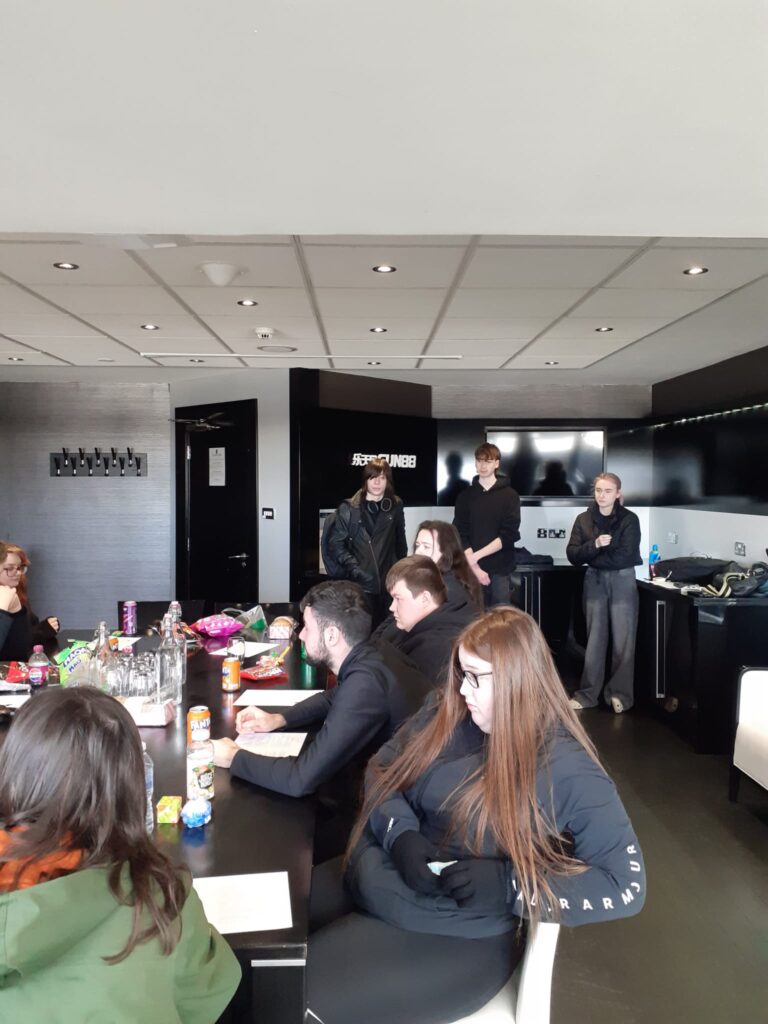
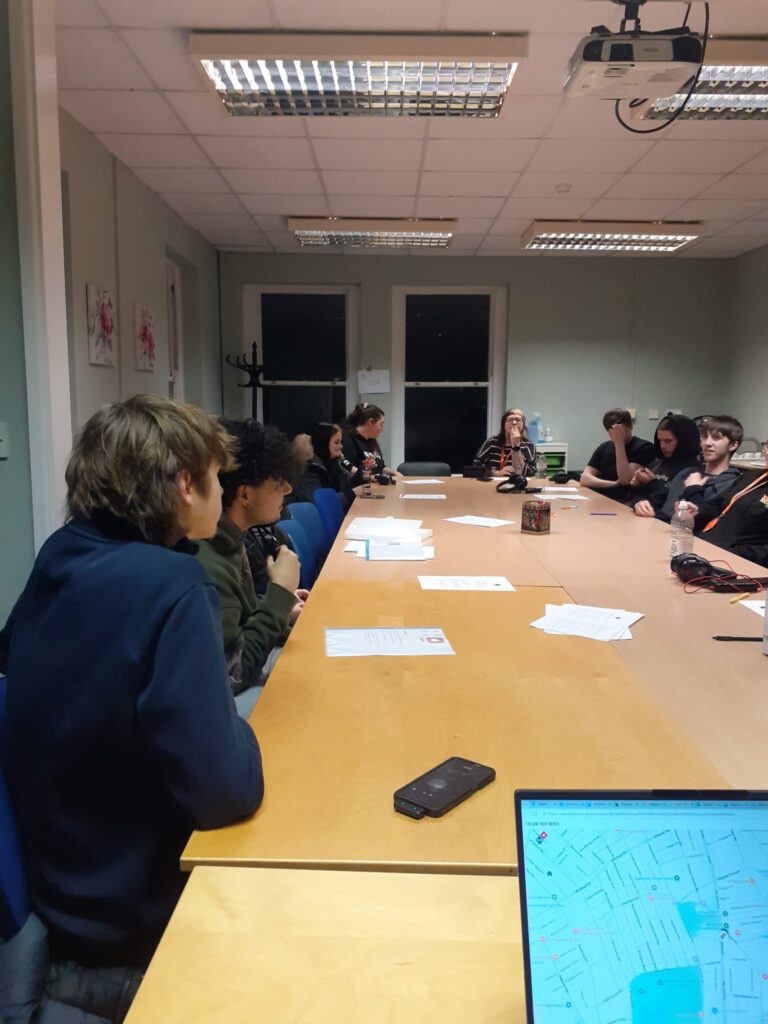
We designed and delivered this research ourselves, facilitating focus groups and interviews with young people across Sunderland and Gateshead.
From what we heard, we developed six personas that represent the most common barriers young people face when trying to access work.
🎥 Watch: Real Stories Behind the Barriers https://youtu.be/7DkLgIGIX5s
The Reality
The message we heard again and again was simple:
👉 Young people want to work—but the system is making it harder than it should be.
This isn’t about motivation.
It’s about access, opportunity, and fairness.
What We Heard — And What Needs to Change
We didn’t just want to list problems.
We want to show what’s happening and what employers can do about it.
Workplace safety concerns → Create safe, trusted environments
Some young people spoke about sexual harassment at work.
They told us they:
-
Feel scared to report it
-
Don’t think they’ll be believed
-
Aren’t taken seriously when they do speak up
👉 This stops young people staying in work or applying in the first place.
What you can do:
-
Make reporting processes clear and confidential
-
Train managers to respond properly
-
Actively communicate a zero-tolerance culture
Qualifications not recognised → Value experience in all its forms
Some young people had qualifications or work experience from other countries, but had to start again.
👉 Their skills were overlooked.
What you can do:
-
Recognise international qalifications and experience
-
Focus on transferable skills
-
Use practical assessments to demonstrate ability
Neurodiverse young people excluded → Design inclusive recruitment
Young people with autism, ADHD and other conditions told us interviews can be overwhelming.
👉 This means capable people are being missed.
What you can do:
-
Offer alternatives to interviews (e.g. task-based assessments)
-
Share questions in advance
-
Train staff on neurodiversity
Discrimination in the workplace → Build inclusive cultures
Some young people experienced:
-
Homophobia and transphobia
-
Misgendering
-
Lack of respect from colleagues and professionals
👉 This creates anxiety and pushes people out of work.
What you can do:
-
Set clear expectations on behaviour
-
Provide inclusion training
-
Respect identity in all interactions
No experience, no opportunity → Create real entry points
Young people told us:
“You need experience to get the job, but we can’t get experience without a job.”
👉 This creates a cycle that’s hard to break.
What you can do:
-
Offer role with no experience required
-
Provide paid work experience
-
Recognise volunteering and transferable skills
Being judged on background → Focus on potential, not postcode
We heard that background, postcode, or past experiences can affect opportunities.
👉 Young people feel written off before they’ve had a chance.
What you can do:
-
Remove bias from recruitment
-
Use anonymised applications
-
Create second-chance opportunities
What We’re Asking Employers To Do
These changes don’t require a full system overhaul. They are practical actions that can make a real difference.
Rethink recruitment
-
Balance experience with potential
-
Be clear about expectations
-
Create fairer ways to assess candidates
Make feedback part of the process
-
Offer meaningful feedback to under 25s
-
Give the option of a conversation, not just an email
-
Help young people improve for next time
Go beyond the traditional interview
-
Use task-based or practical assessments
-
Recognise that confidence ≠ ability
Create accessible entry points
-
Design roles for first-time workers
-
Offer flexible opportunities alongside education
Make your workplace safe and inclusive
-
Strengthen safeguarding and reporting
-
Build a culture where young people feel respected
Why This Matters
This isn’t just about supporting young people. It’s about:
-
Accessing untapped talent
-
Building a stronger workforce
-
Creating fairer opportunities
👉 Young people are motivated.
👉 They are trying.
👉 They are ready to learn.
Coming Soon – 31 March
We’ll be sharing the next phase of this work, including:
-
A detailed recommendations report
-
Youth personas and deeper insights
-
Event video highlights, including employer testimonials
The Opportunity
If nothing changes young people remain locked out of opportunities and employers continue to miss out on talent
If things do change more young people succeed, businesses build stronger talent pipelines and the region benefits
This is a chance to do things differently.
So ask yourself, are your systems designed to find the best talent, or just the most confident candidate?
“We’re not asking for special treatment. We’re asking for a fair chance.”